

Table of Contents
- What Are Neutral Running Shoes?
- What Are Support or Stability Running Shoes?
- Neutral vs Support: Which Running Shoe Do You Need?
- Neutral vs Support: How Can You Tell If You Overpronate?
- Neutral vs Support: Why Is Gait Analysis Useful?
- Comfort Should Always Come First
- Don't Choose Your Running Shoes Based on Labels Alone
- Get Expert Advice at Run Active Essex
Neutral vs Support: Choosing between neutral and support running shoes can make a big difference to your comfort, performance and overall running experience. With so many different running shoes available, understanding the difference between the two can make it much easier to find the right pair for your feet.
The best option for you will largely depend on how your feet move when you run – something often referred to as your gait. While some runners naturally have a neutral gait, others may benefit from additional stability and support.
But what exactly is the difference between neutral and support running shoes, and how do you know which one you need?
What Are Neutral Running Shoes?
Neutral running shoes are designed for runners whose feet move through their stride without excessive inward or outward movement. They generally allow the foot to move naturally while providing cushioning, comfort and flexibility.
When your foot lands during a run, it is normal for it to roll slightly inwards. This movement is known as pronation, and a certain amount of pronation is completely normal. A neutral running shoe is designed to accommodate this natural movement without adding additional stability features.
Neutral shoes are often popular with runners who want a more flexible and unrestricted feeling underfoot. They can also be a great option for runners who prefer a lightweight, responsive shoe for everyday training, longer runs or faster sessions.
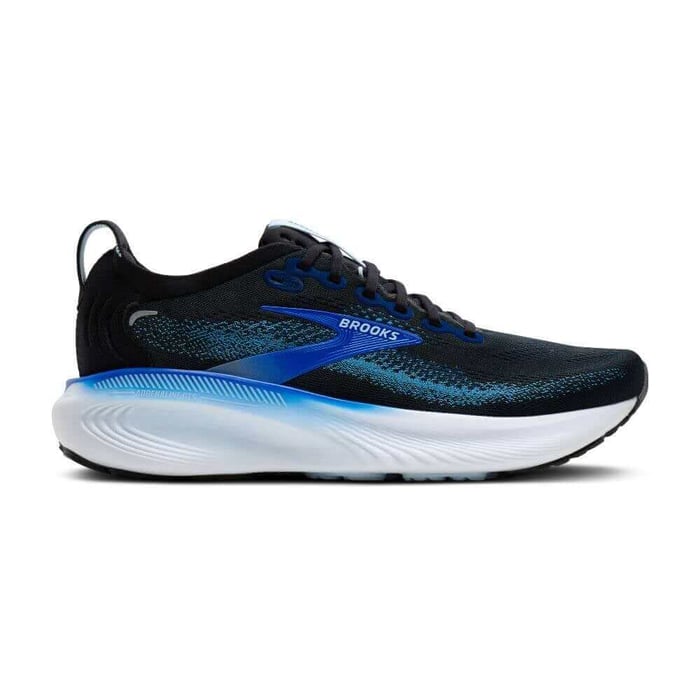
If you're looking for a neutral road running shoe, you can browse the range at Run Active:
What Are Support or Stability Running Shoes?
Support running shoes, sometimes called stability running shoes, are designed to provide additional guidance and structure for runners who may overpronate.
Overpronation occurs when the foot rolls inwards more than is ideal for an individual runner during their stride. Support shoes use different technologies to help manage this movement and provide a more stable platform underneath the foot.
Modern stability shoes have come a long way from the heavily structured running shoes of the past. Rather than simply using a large, hard piece of material on the inside of the shoe, many modern designs use features such as shaped midsoles, wider platforms, guidance systems and strategically placed foam densities.
The aim isn't necessarily to stop your foot moving. Instead, the shoe is designed to help guide and support your foot through its natural movement, while still providing cushioning and comfort.
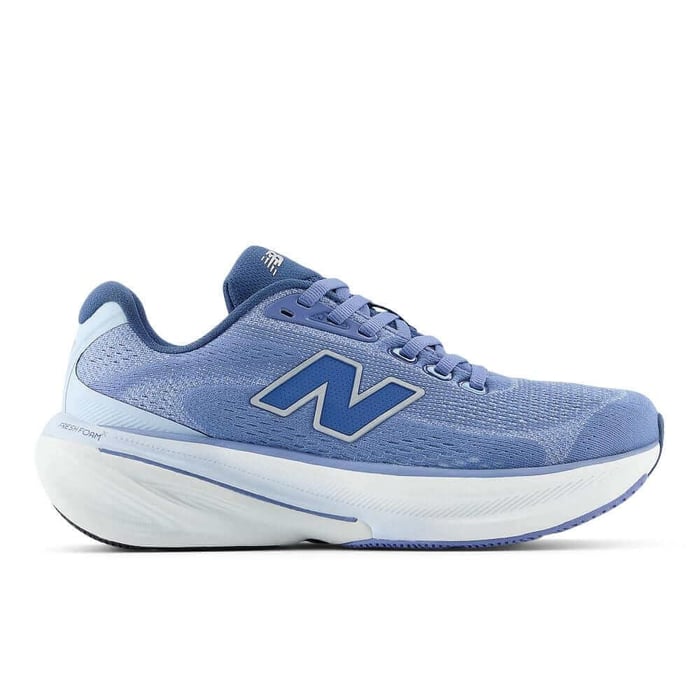
You can explore supportive road running shoes at Run Active:
Neutral vs Support: Which Running Shoe Do You Need?
One of the biggest questions runners ask is whether they should be wearing a neutral or support running shoe.
The answer isn't always straightforward.
Your level of pronation is only one factor to consider when choosing running shoes. Your foot shape, running style, previous experience, comfort, the type of running you do and how a particular shoe feels can all influence the best choice.
It's also worth remembering that more support isn't automatically better. A runner with a neutral gait doesn't necessarily need a stability shoe, while someone who benefits from additional guidance may find a neutral shoe less comfortable.
Ultimately, the best running shoe is one that feels comfortable and allows you to run naturally.
Neutral vs Support: How Can You Tell If You Overpronate?
There are a few things you can look at if you're trying to work out how your feet move when you run.
One simple starting point is to look at your existing running shoes. The wear pattern on the outsole can sometimes provide clues about how your foot is moving. However, worn shoes aren't a completely reliable way of determining your gait, as the pattern can also be affected by the way you run, the surfaces you run on and the construction of the shoe itself.
You may also notice recurring discomfort or niggles, particularly around the feet, ankles, shins, knees or hips. However, these symptoms don't automatically mean that you overpronate or need a support shoe.
This is why choosing running shoes based purely on symptoms or the wear pattern of an old pair isn't always the best approach.
Neutral vs Support: Why Is Gait Analysis Useful?
A gait analysis can give you a much better understanding of how your feet and legs move while running.
At Run Active Essex, professional gait analysis is available in-store. The process involves running on a treadmill while your movement is assessed by an experienced member of the team.
This allows the team to look at your stride, foot movement and overall running mechanics before recommending suitable running shoes.
Rather than simply choosing a shoe because it is labelled "neutral" or "support", gait analysis can help narrow down the options and find shoes that feel comfortable and appropriate for your individual running style.
Comfort Should Always Come First
Whether you choose a neutral or support running shoe, comfort should be one of the most important considerations.
A shoe can have all the latest technology, but if it doesn't feel comfortable on your feet, it probably isn't the right choice for you.
Make sure there is enough room in the toe box for your toes to move naturally and that your heel feels secure without excessive pressure. Your running shoes should feel comfortable from the beginning rather than requiring a long "breaking-in" period.
It's also worth considering what you will primarily use your shoes for. An everyday road running shoe may prioritise cushioning and durability, while a faster training shoe may feel lighter and more responsive.
Don't Choose Your Running Shoes Based on Labels Alone
The terms neutral and support are useful starting points, but they shouldn't be the only things you consider.
Different brands and models can feel completely different, even when they fall into the same category. Two neutral running shoes might have very different levels of cushioning, flexibility and responsiveness, while two stability shoes can provide support in very different ways.
Your ideal running shoe is therefore about finding the right combination of fit, comfort, cushioning, support and feel.
Get Expert Advice at Run Active Essex
Still unsure whether you need neutral or support running shoes? The easiest way to remove the guesswork is to get your gait assessed.
At Run Active Essex, the team can assess how you move when running and help you find a shoe that suits your individual gait and requirements. With a treadmill assessment and expert observation, gait analysis can make choosing your next pair of running shoes much easier.
Whether you're buying your first pair of running shoes, replacing an old favourite or looking to improve your comfort on longer runs, getting the right advice can help you find a shoe you'll actually enjoy running in.
Ready to find the right running shoes for you?